
Overview
Optometry Scotland works on behalf of community optometry to influence policy, secure sustainable funding, and shape services that meet patients need.
Our policy work focuses on protecting General Ophthalmic Services (GOS), expanding community based eye care, and ensuring Scotland has a workforce fit for the future.
We do this by:
- Working directly with Scottish Government, NHS partners and elected representatives
- Using member insight and data to inform policy
- Promoting community optometry as a solution to hospital pressures
- Supporting members to engage locally and nationally
Everything we do is grounded in real practice experience and patient outcomes.
Our Strategy
Our strategy is shaped by our members’ voices and focused on action. We use real-world insight from across the sector to inform our priorities, lobby effectively, and maintain close, constructive relationships with the Scottish Government to secure outcomes that support community optometry and patient care. Please see more about our main strategies below, where you can read position statements.
What We Have Achieved
- Introduction of annual GOS Fee Reviews
- Community Glaucoma Service (CGS) Development
- Community Low Vision Service (CLVS) planning and development, following the mention in the Scottish Budget
- Cross-party support and interest in our OCT Report and the impact of technology like OCT
- Introduction of GOS Specialist Supplementary (GOS SS)
- Regular engagement with MSP’s across Scotland
- Practice visits hosted by members nationwide
- Workforce research commissioned
- A successful exhibition in Scottish Parliament on Community Low Vision Services
Evidence and Insights
Our policy positions are informed by:
- Members
- Our Board
- Our Council
- Current research and policy discussions
- Service pilots and developments
- Patient case studies
We use this evidence to shape conversations with Scottish Government and NHS partners and to demonstrate how community optometry delivers value.
Foundation Training Year (FTY)
The Foundation Training Year (FTY) is a new structure for training optometrists in Scotland. It will replace the current pre-registration model and will be undertaken by students participating in the new integrated Master’s degree in optometry in Scotland. The first students are expected to enter the FTY in summer 2028. Under the current proposal, each student would complete two 22-week placements.
Optometry Scotland (OS) supports the Foundation Training Year (FTY) and wants to see a model that delivers high-quality training while being financially and operationally viable for practices across Scotland. The Expression of Interest process has now concluded, and OS is actively engaging with the Scottish Government and PSD Scotland on the outcome, its implications for the current proposal and the next steps. We will continue to represent members and press for the clarity and improvements needed to deliver a workable model.
Update: 5th of October 2026
PSD Scotland’s Expression of Interest for prospective Foundation Training Year placement providers closed on 23 September 2026 and the outcome has now been shared with OS. The conclusion of the EOI process provides an important point at which to review the current model and address the concerns OS has raised throughout.
OS is unable to share the detailed results at this stage due to confidentiality. We are seeking urgent clarification from the Scottish Government on what the outcome means for the current proposal, placement capacity and the next stage of the programme.
OS supports the FTY and wants the programme to succeed. Our position remains that practices must have sufficient information, appropriate support and a viable package if the programme is to attract the number and geographical spread of placements required across Scotland.
What happens next?
The process remains ongoing and the EOI outcome does not represent the final position on the Foundation Training Year.
OS is actively engaging with both the Scottish Government and PSD Scotland and has sought further discussion on:
- the implications of the EOI outcome for the current model
- expected placement capacity and geographical coverage
- the outstanding financial and operational concerns raised by practices
- whether changes to the proposed package will now be considered
- the timetable and process for the next stage of implementation
We will continue to advocate for a model that:
- is financially viable for placement providers
- provides clear and workable employment and supervision arrangements
- can attract sufficient placements across Scotland
- recognises the particular challenges faced by independent, small, rural and remote practices
- provides practices and students with the certainty they need before making a commitment
There has already been important progress. Following sustained engagement by OS and the wider sector, the Scottish Government confirmed that supervised GOS eye examinations undertaken by FTY students will attract 100% of the applicable GOS fee.
We welcome that progress, but further clarity and improvements to the wider package are still required.
OS will continue to press for a constructive discussion with the Scottish Government and PSD Scotland and will update members as soon as further information is confirmed.
| Date | Development |
| August 2025 | OS formally supported the principle of the FTY and asked for the funding package and timetable practices would need to plan and participate. |
| November 2025 | OS concluded that the initial model, based on 35% GOS, was not workable and requested full details and further engagement. |
| February 2026 | Asda, Boots, Duncan and Todd, Hakim Group, Specsavers and Vision Express wrote jointly to the Director of Primary Care. They stated that 100% GOS was required to support participation at the necessary scale and asked that engagement be coordinated through OS. |
| March to June 2026 | OS met officials, shared financial and workforce evidence, and submitted an illustration of how a 100% GOS approach might operate. |
| 30 June 2026 | The Scottish Government proposed that supervised examinations would attract 100% GOS. The proposal also introduced practice employment of students, retained the existing supervisor grant and removed the separate practice payment. |
| 9 July 2026 | OS welcomed the movement on GOS but submitted detailed questions about employment, supervision, governance, finance and the proposed EOI. |
| 29 July 2026 | The Scottish Government confirmed 100% GOS and that the supervisor grant would be the totality of the separate practice support. |
| August 2026 | OS met PSD Scotland and participated in the FTY Stakeholder Group. Significant operational questions remained unresolved and no consensus was reached on the overall package. |
| September 2026 | OS reviewed the draft EOI and raised concerns that it only provides a mechanism for practices to indicate positive interest. OS continues to seek the information practices need to assess financial and operational viability. |
| 10 September 2026 | PSD Scotland launched its Expression of Interest for prospective FTY placement providers, alongside updated Placement Provider Terms confirming two 24-week placement blocks. OS updated the factual information provided to practices. Its position and advice remained unchanged. |
| 23 September 2026 | PSD Scotland’s Expression of Interest for prospective Foundation Training closed on 23 September 2026. |
| 7 October 2026 | OS is unable to share the detailed results at this stage due to confidentiality and is seeking urgent clarification from the Scottish Government on the implications for the current proposal, placement capacity and next steps. |
Ahead of the EOI closing, OS wrote to Gillian Leslie, Deputy Director of Dentistry and Optometry at the Scottish Government, seeking clarification on outstanding issues and assurance that the proposal would be reviewed if the EOI did not demonstrate sufficient and geographically representative participation.
A response was received, but a number of key issues remain unresolved.
Following the closure of the EOI, OS has continued discussions with PSD Scotland and is seeking an early meeting with the Scottish Government to consider the outcome, the implications for the current model and any changes that may now be required.
We will continue to work constructively with both organisations while firmly representing the concerns raised by our members.
For questions or to share evidence about how the proposed model would affect your practice, contact your OS representative, regional representative or email office@optometryscotland.org.uk
Member evidence remains important as OS continues discussions with the Scottish Government and PSD Scotland.
Members may wish to:
- Contact your local MSP to highlight the importance of securing an FTY model that is workable for practices across Scotland. The template is available here.
- Share evidence with OS about the financial or operational impact of the current proposal on your practice.
What is the Foundation Training Year?
The Foundation Training Year is a new structure for training optometrists in Scotland. It will replace the current pre-registration model and will be undertaken by students participating in the new integrated Master’s degree in optometry in Scotland. The first students are expected to enter the FTY in summer 2028. Under the current proposal, each student would complete two 24-week placements.
Why is the Scottish Government running an Expression of Interest?
The Scottish Government and PSD Scotland want to test how many practices may be willing and able to host FTY placements under the current proposal. The EOI is intended to provide an indication of potential placement capacity and has been described as non-binding. However, the draft shared with OS only allows a positive expression of interest. It does not allow practices to express conditional interest, decline and explain why, or identify changes that would make participation viable.
What is the current proposal?
Each student would complete two 24-week placements. The host practice would employ and pay the student on a full-time basis during its placement. The student would spend four days each week in practice, with the fifth day used for protected learning and development activity. Salary would be set by the employer, subject to employment law, with Scottish Government guidance that students should receive at least the real Living Wage. The practice would meet the associated employer costs. Supervised GOS eye examinations would attract 100% of the applicable fee, a supervisor grant would be available in line with current pre-registration grants, and there would be no separate practice payment.
What has the Scottish Government confirmed about the financial package?
The Scottish Government confirmed in writing on 29 July 2026 that supervised GOS eye examinations carried out by FTY students would attract 100% of the applicable fee. A supervisor grant equivalent to the current pre-registration trainee supervisor grant would also be available. The latest proposal describes a total grant of £4,644 to be split across the student’s two placements. The Scottish Government has confirmed that the GOS fees and supervisor grant represent the whole financial package, with no separate practice payment.
Would the practice employ the student?
Yes. The draft Terms of Participation indicate that the student would be employed and paid on a full-time basis by the host practice during its 24-week placement. The student would spend four days each week in practice, with the fifth day allocated to protected learning and development activity. The practice would be responsible for salary and the associated employer costs. The complete contractual, HR and placement-change arrangements have not yet been provided.
How could this affect my practice?
A participating practice would receive 100% of the applicable GOS fee for supervised student examinations and a supervisor grant. In return, it would be expected to employ and pay the student, meet the associated employer costs, provide the required supervision, accommodate the student within its consulting-room capacity, manage the relevant HR responsibilities, and comply with the placement and governance requirements. It is not currently possible to say confidently what the net financial and operational impact would be because important details remain unresolved.
What information is still outstanding?
OS continues to seek clarity on the full employer costs and responsibilities; the employment contract and HR arrangements; placement changes, extensions and early termination; supervision ratios, cover and IP capacity; clinical governance, indemnity and accountability; responsibility for patient care and student performance; matching and the ability to decline a proposed placement; absence, leave and learner support; consulting-room capacity; rural and remote delivery; and the final timetable and revised provider documentation.
What about IP supervision?
The new FTY is expected to require access to at least one IP-qualified supervisor across the student’s placements. This differs from the current pre-registration model, which does not require supervisors to be IP qualified. OS is seeking clarity on how the requirement will operate, whether sufficient capacity exists, the additional responsibility placed on IP-qualified supervisors, and whether this will be properly recognised within the funding arrangements.
Is the EOI binding?
The Scottish Government has described the EOI as non-binding. Expressing interest should not, by itself, commit a practice to hosting a student. However, the draft shared with OS only allows practices to indicate positive interest. There is no mechanism to decline and explain the reasons, express conditional interest, indicate that further information is required, identify that the current package would not be financially viable, or explain what changes would allow participation.
Does registering an interest, even just to stay informed, count as evidence that the sector supports the current model?
It may do. The Scottish Government has said the EOI is being used to gather evidence on genuine placement capacity, and any response you submit becomes part of that data, whether you registered to be kept updated or because you’re seriously considering hosting a placement. There’s currently no way to register purely for updates without also being counted towards that capacity evidence. If you want to stay informed without responding to the EOI, contact Optometry Scotland or your regional representative and we’ll keep you updated directly.
Why is OS advising practices not to complete the EOI?
The confirmation of 100% GOS answers one important question, but practices still lack essential information about employment costs and responsibilities, supervision, governance, indemnity, matching and day-to-day delivery. OS cannot responsibly recommend that members express positive interest when they do not yet have the information needed to assess whether participation would be financially and operationally viable. The EOI also does not provide an option to express conditional interest or explain that a practice might participate if the information or financial package changed.
What if I receive the EOI directly?
OS does not recommend that you complete and return the EOI at this stage. The draft only provides an option to express positive interest. There is no mechanism to decline, indicate conditional interest pending further information, or explain that participation would not be financially viable under the current package. The final decision remains with each business.
Does OS oppose the FTY?
No. OS supports the FTY and wants it to succeed. Our concern is that the delivery model must be sufficiently clear and workable to secure the number, range and geographic spread of placements Scotland will need. A model that does not attract sufficient practices could create risks for students, the profession and the future optometry workforce.
What has OS done so far?
OS has engaged with the Scottish Government and delivery partners since 2025. We have provided financial modelling and practice activity data, gathered provider evidence, set out the need for 100% GOS compared with Scottish Governments initial offer of 35%, submitted detailed written questions and delivery risks, met the Scottish Government and PSD Scotland, participated in the FTY Stakeholder Group, requested sight of the draft EOI, and pressed for practices to receive sufficient information and time before responding. OS welcomed the move to 100% GOS, but the responses received to date have not resolved the key employment, supervision, governance and viability questions.
When will members hear more?
OS will update members as soon as further information is received from the Scottish Government or PSD Scotland. We will also review the final EOI when it is issued and confirm whether there have been any material changes from the draft shared with OS. The website page will carry the latest dated position.
How can I help?
Please share evidence about the likely financial or operational impact on your practice with your OS representative, regional representative or office@optometryscotland.org.uk. This will help OS demonstrate the real delivery implications of the current model.
Policy Positions and Overview
Working to re-establish a national Community Low Vision Service so people with sight loss can access timely, local support through community optometry. Focused on sustainable funding, a consistent service model, and appropriate training to improve patient outcomes and reduce pressure on hospital services.
Optometry Scotland commissioned a Short-Life Working Group (SLWG) to consider the future delivery of community low vision services in Scotland. The SLWG has now finalised its publication, ‘Community Low Vision Service in Scotland: Considerations and Recommendations for Implementation’, which can be read by visiting our OS Publications Page.
Supporting the rollout and refinement of CGS so stable glaucoma patients can be managed safely in community practice, improving access for patients while easing demand on secondary care.
Rollout of the Community Glaucoma Service (CGS) is continuing across Scotland, with OS actively involved in supporting implementation and working with stakeholders to promote a consistent approach across NHS Boards.
Protecting and strengthening GOS through ongoing engagement with Scottish Government on fees and service development, ensuring funding reflects the realities of modern clinical practice and supports sustainable community care.
This year marks 20 years of General Ophthalmic Services (GOS) in Scotland, and OS is celebrating this important milestone and the significant role community optometry has played in delivering accessible, high-quality eye care over the past two decades.
Supporting the development of enhanced community services, including service design, remuneration and workforce readiness, to expand the clinical role of optometrists in a way that is practical and sustainable for practices.
Work is continuing to develop the GOS Support Service (GOSSS), with a view to expanding the range of conditions that can be managed through the service in future.
Myopia management remains on Optometry Scotland’s radar as an emerging area of clinical and public health importance.
OS has published a Myopia Management Statement, available here.
Policy in Action
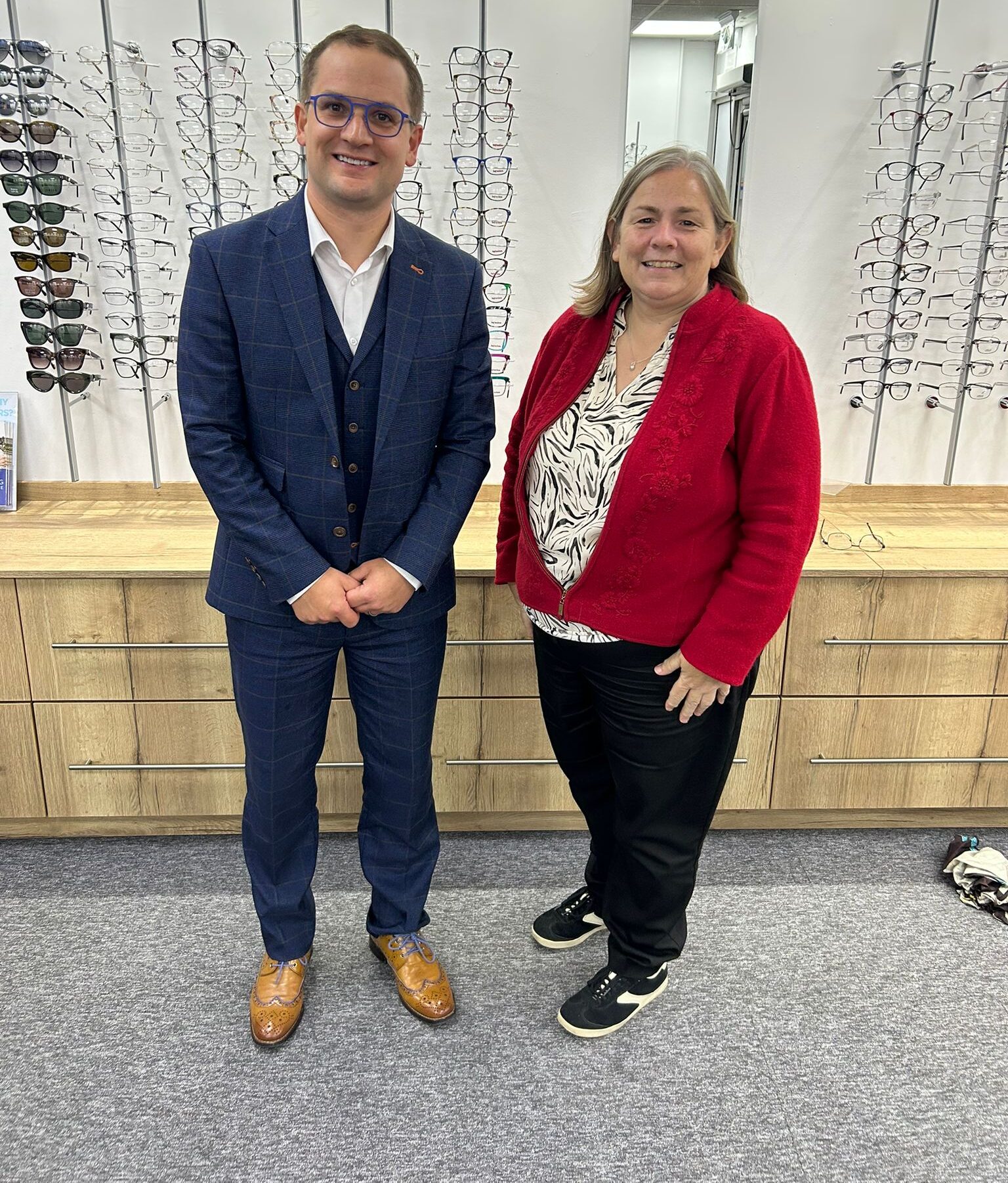
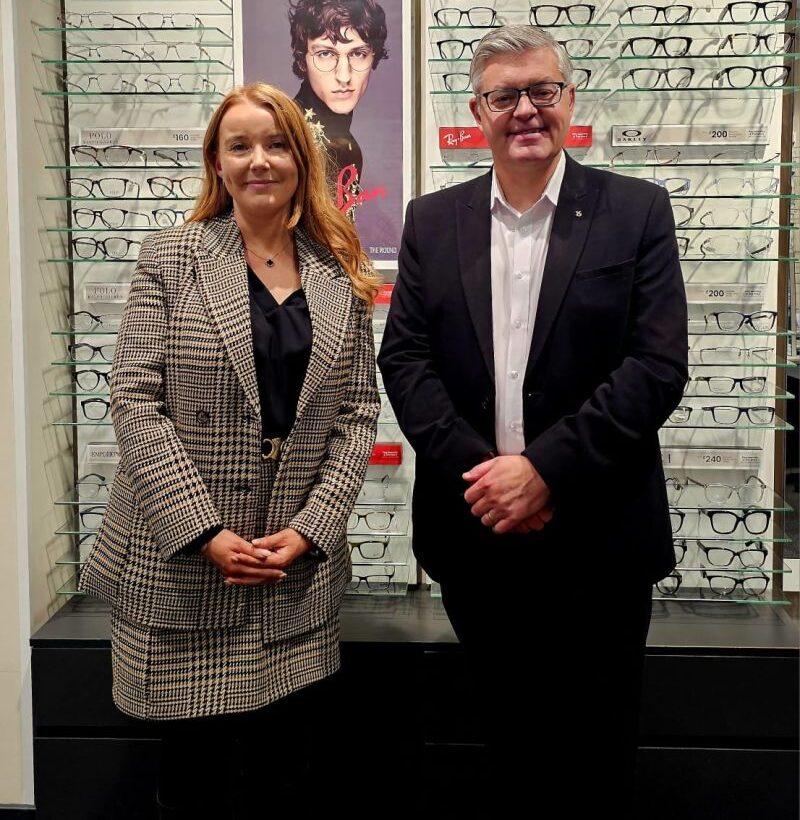
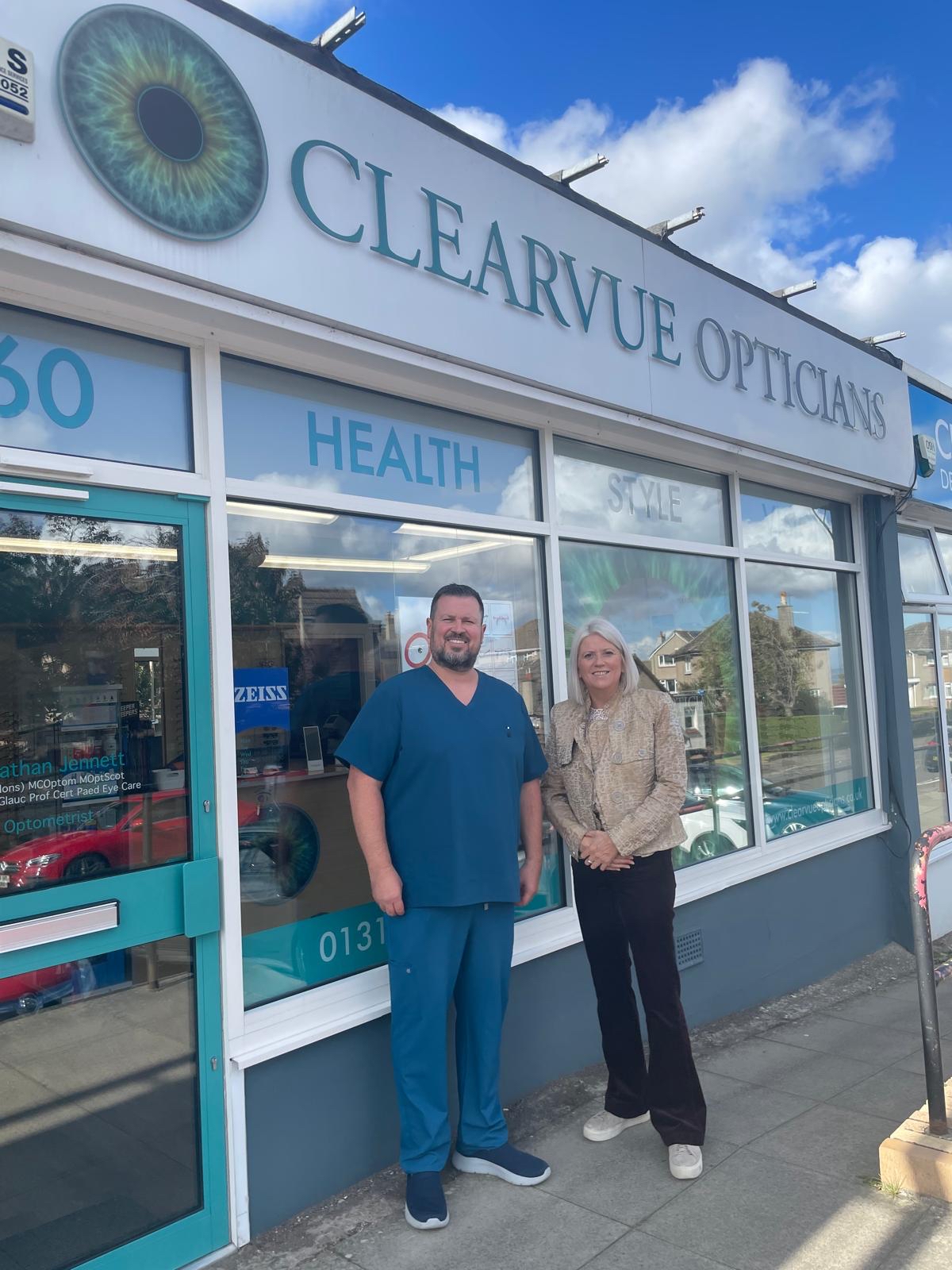
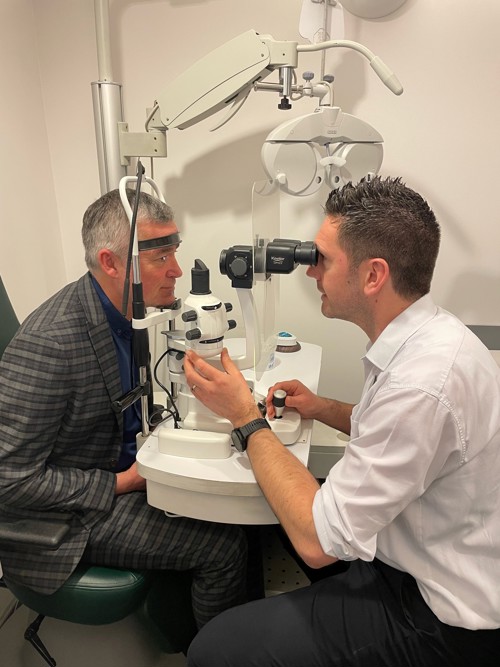
Real engagement makes change happen. Here we showcase:
- Members hosting MSPs in practice
- Careers events and school visits
- Community outreach
- Parliamentary engagement
- Service delivery in action

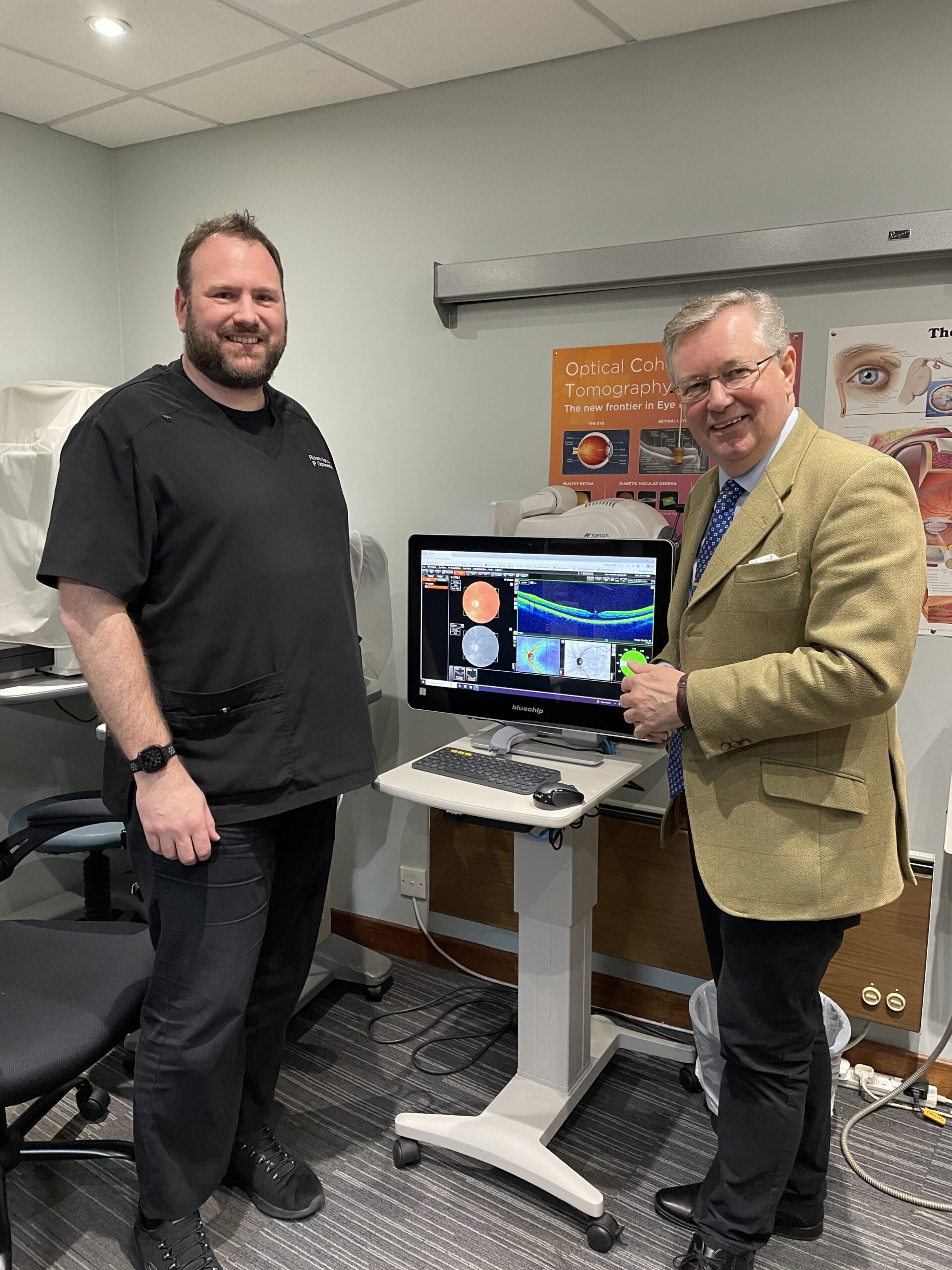
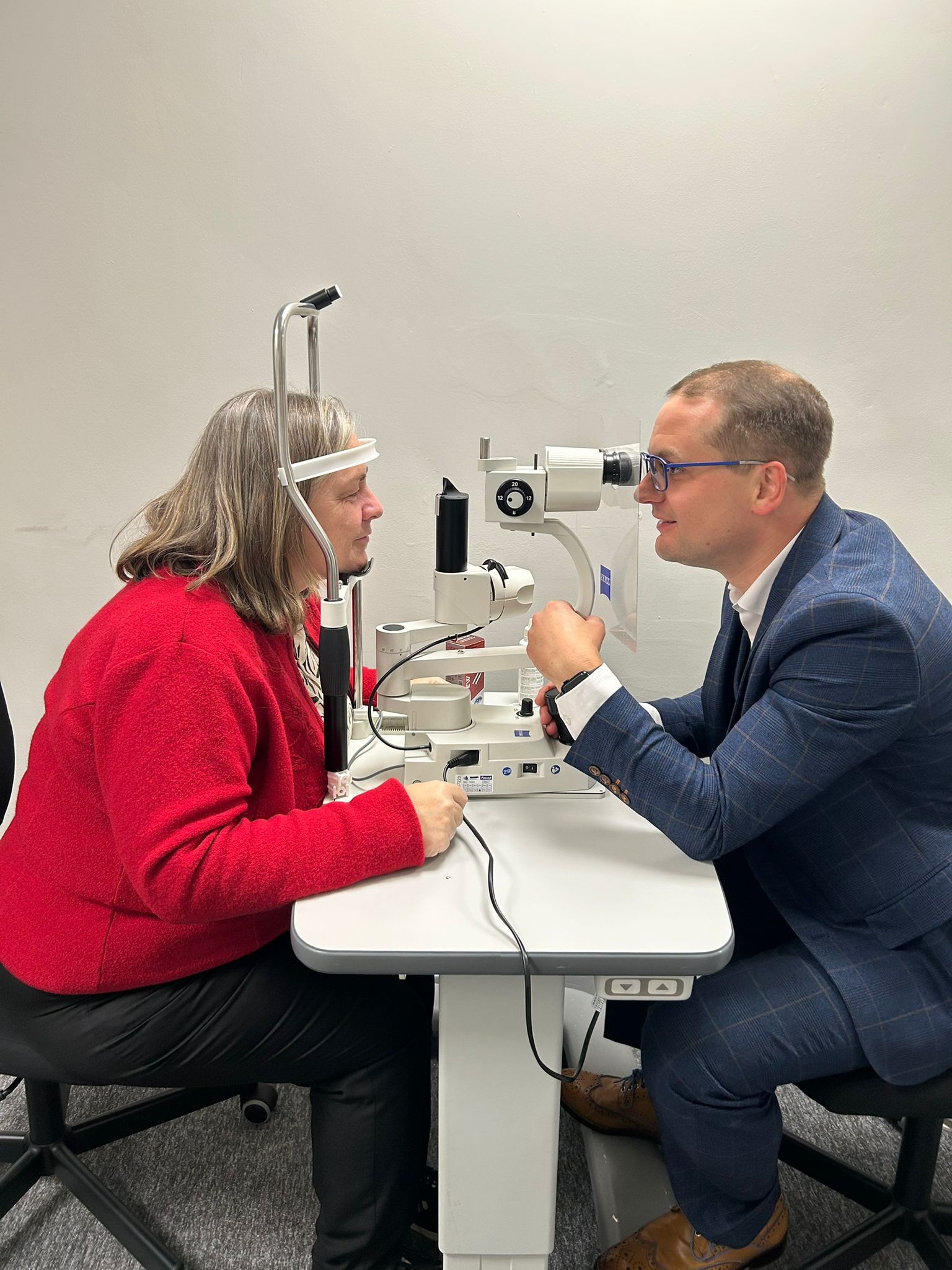
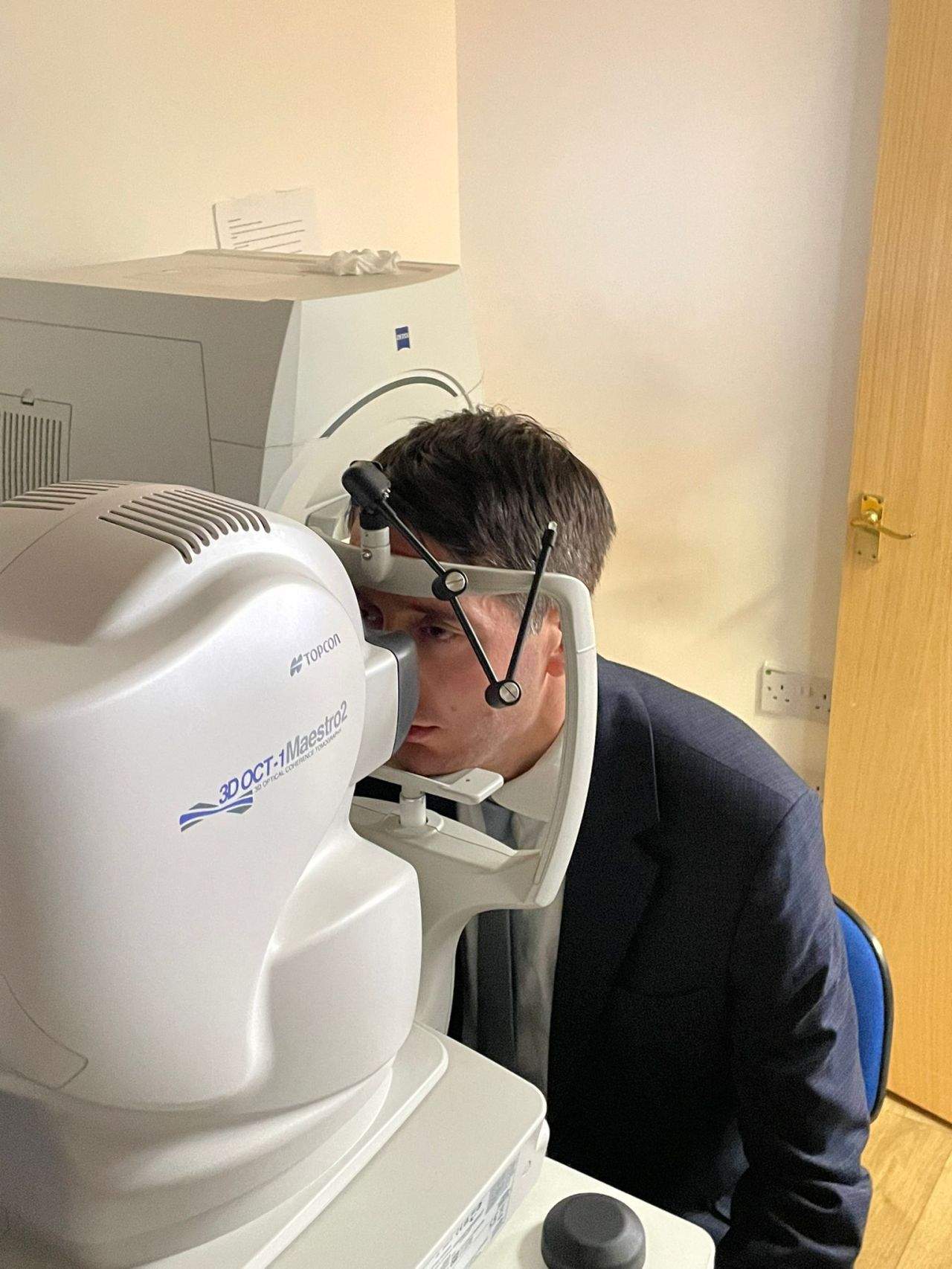
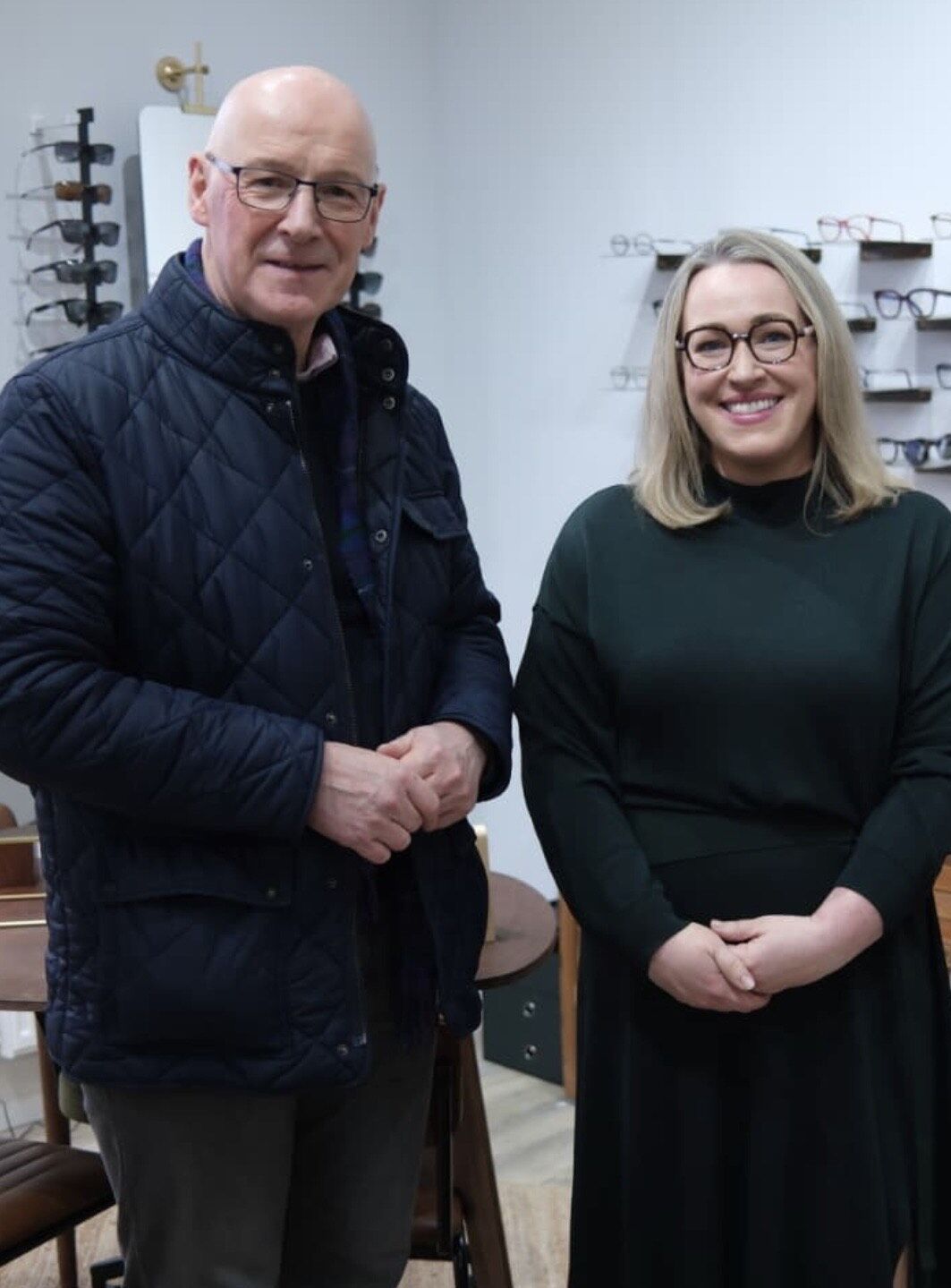
What’s Next…
Upcoming activity includes:
- Ongoing Scottish Government meetings and engagement
- Workforce research milestones
- Continued response to public consultations
- Further service development work
How you can help
Whether you’re a member, a practice team, or someone interested in community eye care, there are lots of ways to support our work.
If you are an Optometry Scotland member:
- Invite your local MSP or MP to your practice
- Share feedback on services and challenges from your area
- Share pictures of your practice and teams for our social media
- Support careers events and school visits
- Provide case studies
Members can also access resources, briefings and updates via the Member Hub. If you’re unsure where to start, contact the OS office and we’ll help.
If you’re not yet a member:
Optometry Scotland represents hundreds of community practices across Scotland.
By joining, you gain:
- Representation in national policy discussions
- Support with service development
- Access to guidance, briefings and resources
- Opportunities to shape the future of community optometry
Information on joining is available here, or contact us directly to discuss membership.
Keep up to date with the latest OS News on our socials:
Policy FAQs
How does OS influence policy?
We engage directly with Scottish Government, NHS bodies and elected representatives, backed by member evidence and data.
How is member feedback used?
Your feedback shapes our priorities, strengthens funding negotiations, and informs service design.
Do I need experience to host an MSP?
No. OS provides briefing materials and support throughout.
How long does policy change take?
Meaningful change takes time, but consistent engagement delivers results.
Where can I access publications?
Publications
Looking to read our OS publications? Visit here.