
Careers Guidance Introduction
Community Optometry offers a rewarding and varied career for those intending to complete it. It operates within the community at the heart of patient primary care. As a key part of primary care in Scotland, optometrists and dispensing opticians play an essential role in supporting eye health, improving quality of life, and helping to reduce pressure on hospital services.
Careers Guidance Menu
- Careers Guidance Introduction
- Why Choose Optometry?
- Routes & Pathways – Optometry
- Routes & Pathways – Dispensing Optician
- Professional & Regulatory Bodies
- Careers Guidance FAQ
- What subjects and grades do I need to become an optometrist?+
- Where can I study optometry in Scotland?+
- Do I need a degree to become an optometrist?+
- What subjects do I need to study to become a dispensing optician?+
- Do I need a degree to become a dispensing optician?+
- Do I need work experience in an optometry practice?+
- What if I don’t have any experience or I want to change career later?+
- Are there progression opportunities in optometry?+
- Are there progression opportunities for dispensing opticians?+
- Can I apply if I’m studying outside Scotland?+
- How do I get my competency certificate?+
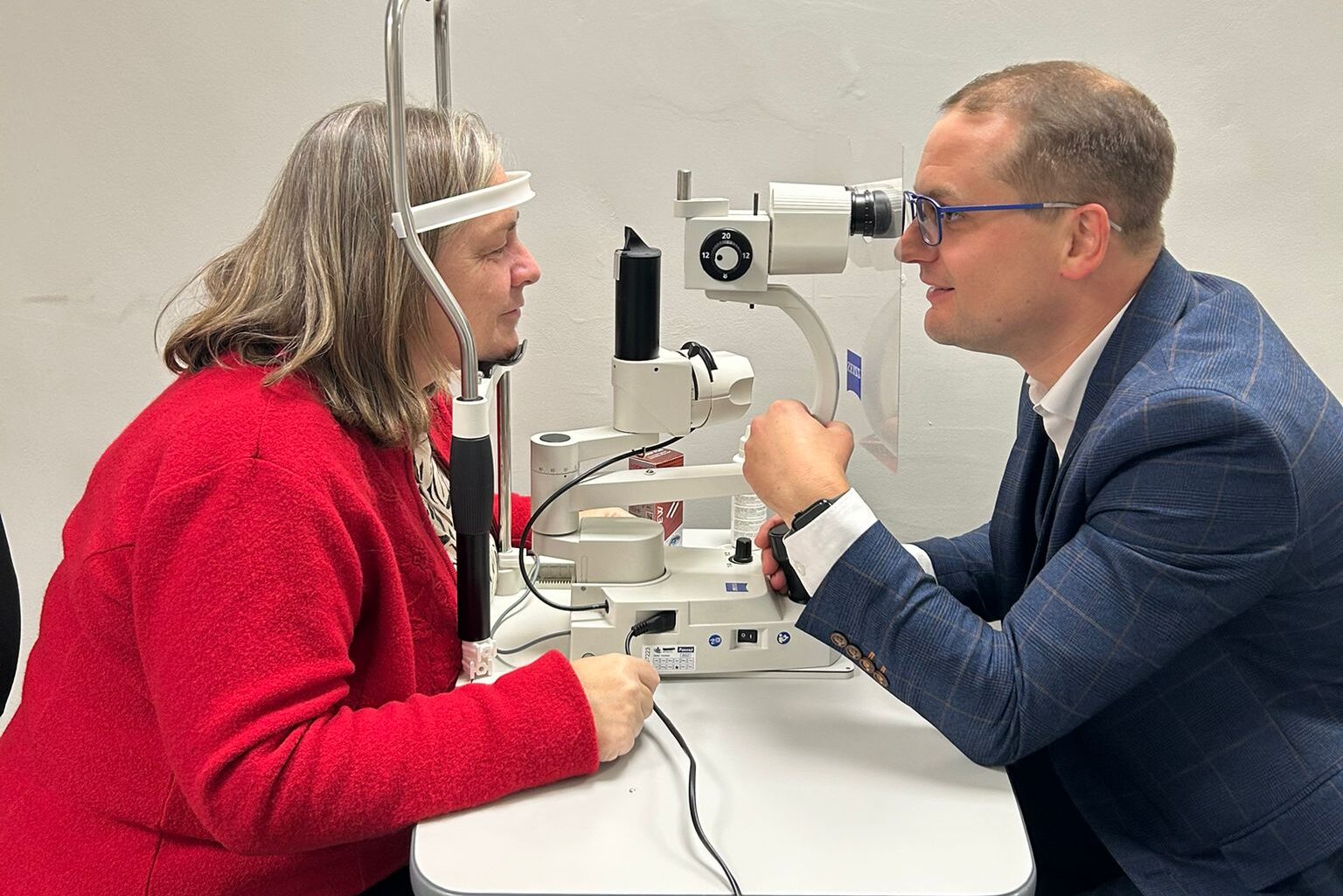
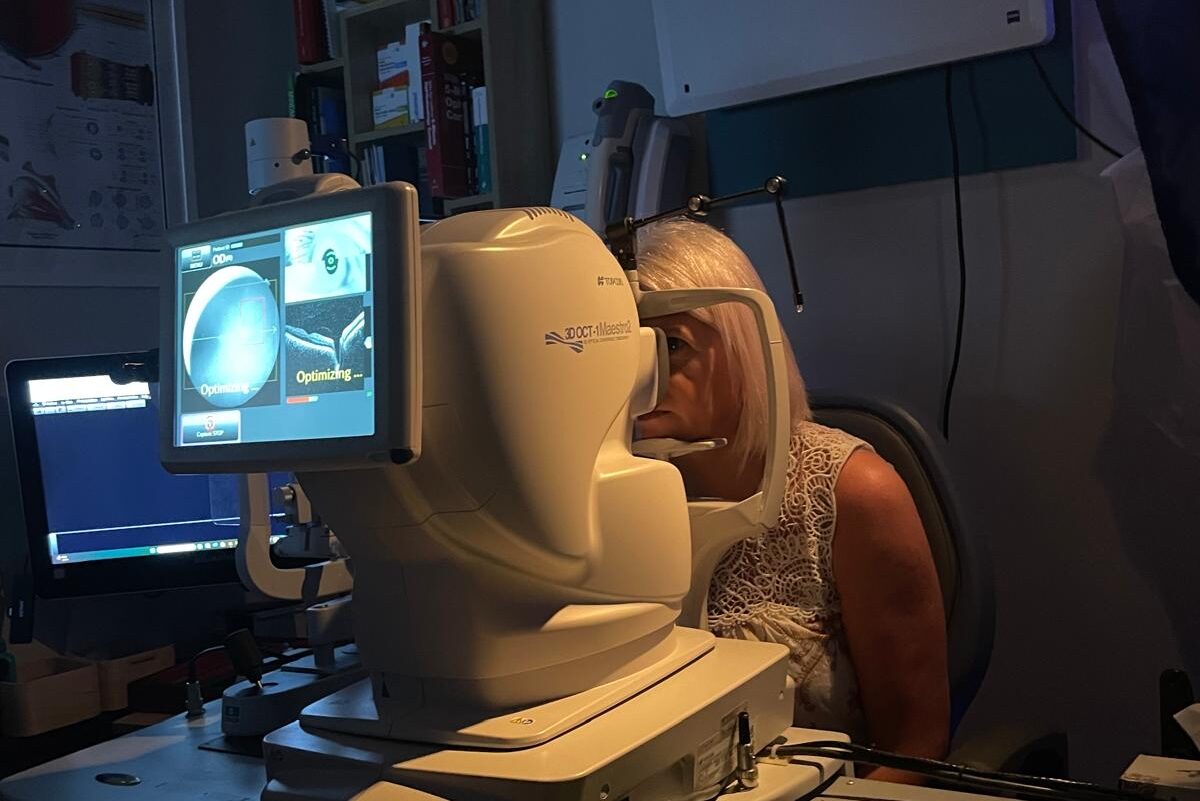
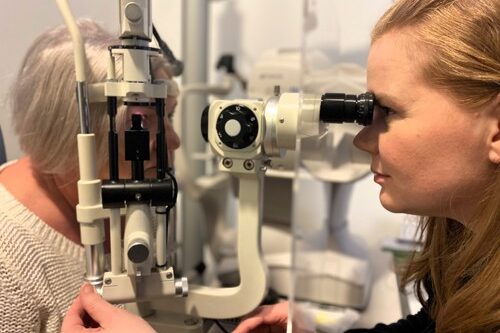
Why Choose Optometry?
Whether you are a school pupil, student, or considering a career change, there are a range of pathways into the profession, with opportunities to work in community practice, hospitals, academia, and beyond. Optometry is a highly rewarding healthcare profession that combines clinical expertise, advanced technology, and meaningful patient interaction.
The profession offers a wide range of career opportunities, from community practice and hospital roles to research, education, and specialist services. With ongoing developments in clinical practice and an increasing role in primary care, optometry continues to evolve, offering long-term career progression and job satisfaction.
Routes & Pathways – Optometry
To become a qualified optometrist in the UK, you need to complete a structured programme of education and clinical training. This ensures you are fully equipped to provide safe, high-quality patient care.
Most students begin with an integrated Master of Optometry (MOptom) degree, typically lasting 4–5 years.
These courses combine:
- Vision science and eye health
- Clinical skills and patient assessment
- Use of diagnostic equipment
- Supervised clinical placements
In Scotland, newer programmes are designed to include Independent Prescribing (IP) training as part of the degree, meaning graduates are qualified to manage and treat a wider range of eye conditions. The courses are offered at universities noted below.
Glasgow Caledonian University (GCU)
Glasgow Caledonian University (GCU) offer the MOptom IP (Master of Optometry with Independent Prescribing) programme, an integrated Masters degree that includes the Independent Prescribing (IP) qualification. This means graduates are equipped with the clinical skills to assess, diagnose and manage a wide range of eye conditions within community practice.
This course combines academic study with hands-on clinical experience from day one. You’ll build a strong foundation in vision science and clinical care, exploring topics like anatomy, physiology, and optics. You’ll also develop your critical thinking skills and make confident decisions in practice.
You’ll work with patients in our on-campus Vision Centre. In Year 5, you’ll take part in extended, paid clinical placements across Scotland. These placements will help you gain practical skills and the chance to build professional networks.
On successful completion of this course, you’ll be eligible to register with the General Optical Council (GOC) as an Optometrist. You’ll also be eligible to join the GOC’s specialty register of independent prescribing optometrists, enabling you to prescribe medicines to manage and treat eye conditions.
More information is available on the university’s website here.
University of the Highlands and Islands (UHI)
The University of the Highlands and Islands (UHI) offer the MOptom IP (Master of Optometry with Independent Prescribing) programme, an integrated Masters degree that includes the Independent Prescribing (IP) qualification. This means graduates are equipped with the clinical skills to assess, diagnose and manage a wide range of eye conditions within community practice. The course is designed to support training across a range of settings, including rural and community environments.
The course uses a proven, problem- and team-based learning approach to train you in decision making and differential diagnosis, enabling you to become a confident, skilled optometrist, with specialist capacity for working in remote and rural areas.
Along with training in our clinical skills suite, in years 1-4 you will also undertake a total of 19 weeks of placements in community practice and hospital eye clinics. In year 5, you will spend your entire year in the field, with two paid 6-month placements in different types of practices. On successful completion of all modules and assessments, you will be eligible for the GOC register as an optometrist, with the specialist qualification of Independent Prescribing.
More information is available on the university’s website here.
Routes & Pathways – Dispensing Optician
Dispensing opticians are qualified professionals who fit and supply glasses and other optical appliances, ensuring patients achieve the best possible vision and comfort.
There are flexible routes into the profession, making it accessible whether you are leaving school or changing career.
Earn while you learn
Work in an optical practice while studying part-time for a recognised qualification.
Study-first or distance learning
Complete a course alongside or before working in practice, with some clinical experience required.
Progress from practice roles
Many start as optical assistants and train on the job.
Glasgow Caledonian University (GCU)
Glasgow Caledonian University offers a BSc Ophthalmic Dispensing degree. This programme provides the knowledge and practical skills required to qualify and register as a dispensing optician, including supporting patients with the selection and fitting of spectacles, assisting with aids, contact lens and low vision support.
The degrees combines academic study with practical, work-based training in an optical practice. The degree allows you to earn while you learn and gain hands-on experience throughout your training.
More information is available on the university’s website here.
ABDO College
ABDO College offer alternative routes to becoming a dispensing optician, combining academic study with practical, work-based training in an optical practice. This training provides the knowledge and practical skills required to qualify and register as a dispensing optician, including supporting patients with the selection and fitting of spectacles, assisting with aids, contact lens and low vision support
The training allows you to earn while you learn and gain hands-on experience throughout your training.
Entry requirements and course details can vary, so it is recommended to check directly with ABDO College for the most up-to-date information on their website here.
Professional & Regulatory Bodies
A range of organisations support and oversee the optical professions in the UK. Professional and regulatory bodies ensure practitioners meet required standards, while professional and representative organisations provide guidance, training, and a voice for the sector. Together, they help maintain high-quality patient care and support the profession’s development.
Association of British Dispensing Opticians (ABDO)
Association of British Dispensing Opticians (ABDO) is the professional body for dispensing opticians. It supports members through training, qualifications, guidance and ongoing professional development.
Association of Optometrists (AOP)
The Association of Optometrists (AOP) is a membership organisation that supports optometrists throughout their careers. It provides guidance, advice, professional indemnity insurance and resources to help practitioners in clinical practice.
The College of Optometrists (College)
The College of Optometrists (College) focus on professional development, education and clinical standards. It supports optometrists with training, qualifications and evidence-based guidance to maintain high standards of care.
The Association for Eye Care Providers (FODO)
The Association for Eye Care Providers (FODO) represents optical businesses across the UK, including large providers. It works on policy, regulation and sector-wide issues affecting the delivery of optical services.
General Optical Council (GOC)
The General Optical Council (GOC) is the regulator for optometrists and dispensing opticians in the UK. All practising professionals must be registered with the GOC to work legally, and it sets the standards for education, training and professional conduct.
Optometry Scotland (OS)
Optometry Scotland is the representative body for optometrists and dispensing opticians in Scotland. It works closely with the Scottish Government and other stakeholders on the development of NHS eye care services, including the General Ophthalmic Services (GOS) and a range of enhanced and extended services delivered in community practice.
Student membership is free, allowing those in training to stay informed and connected with the profession from an early stage.
Careers Guidance FAQ
This depends on the university you apply to, but most require at least two science subjects at Scottish Higher. These usually include either Biology, Human Biology, Chemistry or Physics and an essay based Scottish Higher.
Most universities ask for strong Higher Grades, although exact grade requirements vary by university, and entry requirements also vary.
Some universities may require Higher Mathematics to the sciences above. while others include Mathematics as part of the two sciences. It’s important to check the specific requirements for each university before applying.
Optometry is currently offered at universities such as Glasgow Caledonian University (GCU) and the University of the Highlands and Islands (UHI) . Each course may have slightly different entry requirements and structures, but the degree qualification MOptom with Independent Prescribing (IP) remains the same. The links to the information pages are above in the ‘Routes & Pathways – Optometry’ section.
Yes. To become an optometrist, you must complete an approved optometry degree followed by further training, Known formerly as the pre-registration year. This allows you to register and practise as a qualified optometrist.
Entry requirements can vary depending on the training provider, the Association of British Dispensing Opticians (ABDO) and Glasgow Caledonian University (GCU) offer pathways to qualify, these can be found in the ‘Routes & Pathways – Dispensing Optician’ section. Requirements may change, so it’s important to check directly with the provider.
You don’t always need a traditional university degree. There are different routes, including college-based qualifications and work-based training programmes. All routes must meet the required professional standards to allow you to register and practise. Routes are often found through Association of British Dispensing Opticians (ABDO) or Glasgow Caledonian University (GCU).
Work experience can be helpful, but it isn’t always essential. Many students gain experience by working as an optical assistant, but other customer facing roles can also help build useful skills. Some practices may offer short placements or part-time roles, we recommend you check with them if interested. Work experience within customer service environments or other healthcare related sector may also be helpful.
That’s absolutely fine. Many people come into optometry or dispensing optics later or come from different backgrounds.
Our member Iffat Malik, now an optometrist originally obtained an Orthoptics degree, working within Orthoptics then later became a dispensing optician, before becoming an optometrist. You can read Iffat’s full journey here.
Some may already have another degree or have worked in related roles before starting their training which can be helpful. It is never too late to consider a career within community optometry!
Yes. Optometrists can develop their skills in specialist areas, take on additional qualifications, or move into roles in teaching, research or leadership. There are also opportunities within practice to take on more responsibility over time.
Yes. Dispensing opticians can go on to specialise in areas such as contact lenses or low vision, or take on senior roles within practices such as training and leadership. There are also opportunities to move into management or training roles for dispensing opticians.
Yes, but entry requirements may be different depending on where you are studying and the type of qualifications you have. If you are not taking Scottish Highers, you should check the university or training provider’s website to see which qualifications they accept and at what grades. The links in the Routes & Pathways sections will help, although these FAQs are based solely on Scottish Higher.
Optometry Scotland have a step by step information guide on how you can get your competency certificate which may be relevant to Pre-Registration optometrists, or those who practice outside of Scotland and are looking to practice here. Step by step information is available here.